
- This topic is empty.
-
AuthorPosts
-
2026-03-16 at 4:22 pm #6329
Modern watches may look simple on the surface, but inside they are the result of decades of progress in timekeeping technology. From classic quartz watches to today’s smart and hybrid wearables, accurate time depends on one critical component: the crystal oscillator. Understanding how crystal oscillators work and why they matter helps explain why modern watches are more precise, reliable, and versatile than ever before.
From Mechanical Balance Wheels to Quartz Precision
For centuries, mechanical watches relied on balance wheels and springs to regulate time. While beautifully engineered, these systems were sensitive to temperature, position, and wear. Even the finest mechanical movements typically drift several seconds per day.
The introduction of quartz technology in the late 20th century changed everything. Quartz watches use the natural piezoelectric properties of a quartz crystal. When an electrical voltage is applied, the crystal vibrates at a very stable frequency. This vibration acts as a timing reference, allowing electronic circuits to divide the signal into precise one-second intervals. The result is accuracy that mechanical systems simply cannot match.
Today, quartz-based movements are the foundation of most watches on the market, from affordable consumer models to professional-grade instruments.
What a Crystal Oscillator Does Inside a Watch
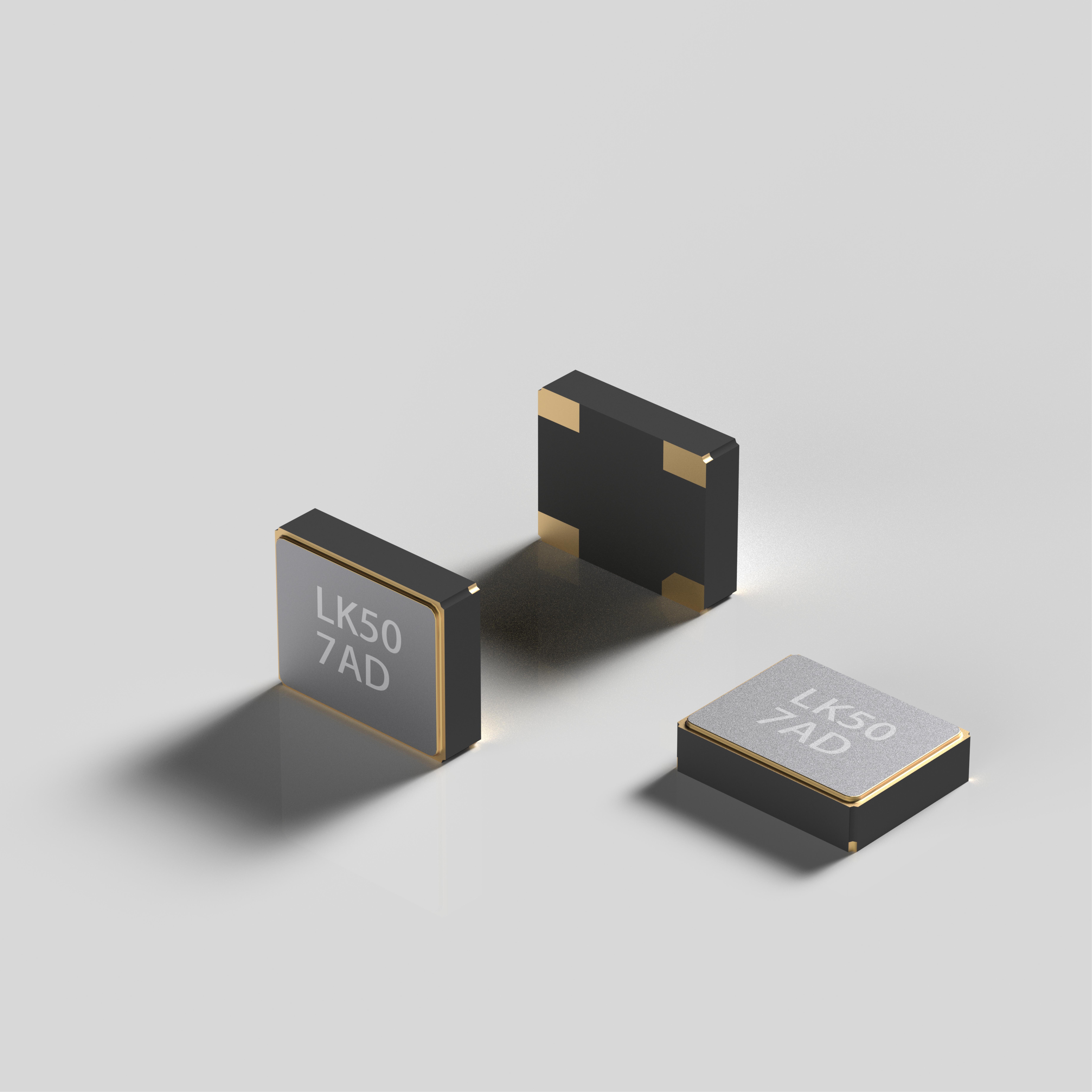
At the heart of a quartz watch is a crystal oscillator circuit. The quartz crystal is carefully cut to vibrate at a specific frequency, most commonly 32,768 Hz. This frequency is not random; it is a power of two, making it easy for digital circuits to divide down to exactly one pulse per second.
The oscillator circuit keeps the crystal vibrating consistently. That steady signal drives the watch’s timekeeping logic, which then controls the display—whether it is analog hands driven by a stepper motor or a digital LCD or OLED screen.
Without a stable oscillator, even the most advanced watch electronics would quickly lose track of time.
Why Accuracy Matters More Than Ever
In the past, being off by a few seconds was acceptable for everyday use. In modern life, however, watches often interact with other systems. Smartwatches sync with smartphones, fitness trackers log time-based health data, and professional watches are used in aviation, diving, and medical environments. In these cases, accuracy is not just a convenience; it is a requirement.
Crystal oscillators provide the stable frequency reference needed to meet these expectations. With proper design and compensation, a quartz watch can achieve accuracy within a few seconds per month, and even better in controlled conditions.
The Challenge of Temperature and Environment
Although quartz crystals are inherently stable, they are still affected by temperature changes. As temperature shifts, the vibration frequency can drift slightly. In a watch worn on the wrist, temperature can vary significantly throughout the day due to body heat, ambient conditions, and activity levels.
To address this, manufacturers use different types of oscillators depending on performance requirements:
-
Standard crystal oscillators are sufficient for most consumer watches.
-
TCXO (Temperature Compensated Crystal Oscillators) include circuitry that corrects frequency changes caused by temperature variations.
-
VCXO (Voltage Controlled Crystal Oscillators) allow fine frequency adjustment through voltage control, useful in synchronized systems.
-
OCXO (Oven Controlled Crystal Oscillators) maintain the crystal at a constant temperature for maximum stability, typically used in high-end or professional timing equipment rather than everyday watches.
As watches become more connected and multifunctional, these advanced oscillator technologies are increasingly relevant.
Power Efficiency in Wearable Devices
Battery life is a critical factor in watch design, especially for smartwatches and fitness trackers. The crystal oscillator must deliver stable performance while consuming as little power as possible.
Modern SMD (surface-mount device) crystal oscillators are designed to be compact and energy-efficient. Their small size allows designers to create thinner watches without sacrificing reliability. Low power consumption ensures longer battery life, whether the watch runs for years on a coin cell or for days between recharges in a smartwatch.
Through decades of development, companies like LUCKI ELECTRONIC (LUCKI®) have built comprehensive product lines covering both SMD and through-hole crystal oscillators, enabling watch designers to choose the best solution for their specific needs.
Reliability Over Years of Use
A watch is expected to function reliably for years, often decades. This places strict demands on the quality and consistency of its timing components. Crystal oscillators must withstand mechanical shock, vibration, humidity, and long-term aging without significant frequency drift.
LUCKI ELECTRONIC (LUCKI®), as a leading manufacturer of frequency products, quartz crystals, oscillators, and ceramic resonators, has delivered more than 10 billion passive and active timing solutions to customers in over 50 countries and regions. This level of scale reflects not only manufacturing capability but also long-term reliability proven across industries.
The same core technologies used in satellite navigation, base stations, data servers, cloud platforms, artificial intelligence, and medical devices are applied to consumer electronics such as watches. This cross-industry experience helps ensure stable performance in real-world conditions.
Crystal Oscillators in Smart and Connected Watches
Modern watches are no longer standalone devices. Smartwatches integrate wireless communication, sensors, and complex processors. In these systems, multiple timing references may be required—for the main processor, wireless modules, and sensor sampling.
High-quality crystal oscillators play a key role in synchronizing these functions. Stable timing improves Bluetooth and wireless performance, reduces data errors, and supports accurate sensor readings. In applications like health monitoring or navigation-enabled wearables, timing accuracy directly affects data quality and user trust.
As smart cities, smart homes, and connected ecosystems expand, watches become part of a broader network. Reliable frequency control at the component level supports the smooth operation of these systems.
Design Flexibility for Watch Manufacturers
Every watch design comes with its own constraints on size, cost, power consumption, and performance. Having access to a wide range of crystal oscillator options allows designers to balance these factors effectively.
LUCKI® has completed full development across SMD and through-hole oscillator product lines, including VCXO, TCXO, and OCXO solutions. This breadth enables customized approaches for different watch categories—from minimalist analog watches to advanced smart wearables.
For designers seeking a deeper understanding of quartz materials and oscillator solutions, the following resource provides technical insight into crystal technology and applications:<a href="https://www.cnlucki.com/Quartz-Crystal">Quartz Crystal</a>
Looking Ahead: The Future of Timekeeping
While the basic principle of quartz oscillation remains unchanged, innovation continues in materials, packaging, and compensation techniques. Smaller form factors, better temperature stability, and lower power consumption will support the next generation of wearable devices.
As artificial intelligence, autonomous systems, and data-driven applications expand, precise timing becomes even more important. Watches, once simple time displays, are evolving into personal data hubs. At the core of this evolution is the crystal oscillator—quietly maintaining order in a world that runs on accurate time.
Conclusion
Crystal oscillators are the unsung heroes of modern watches. They provide the stable heartbeat that makes accurate, reliable timekeeping possible across analog, digital, and smart designs. From managing temperature variations to supporting low-power operation and long-term reliability, these components are essential to today’s watch industry.
With decades of experience and a comprehensive portfolio of frequency products, LUCKI ELECTRONIC (LUCKI®) continues to support innovation across consumer electronics and beyond. As watches continue to evolve, the role of crystal oscillators will remain central—ensuring that every second counts.
http://www.cnlucki.com
LUCKI ELECTRONIC(LUCKI®) -
-
AuthorPosts

- You must be logged in to reply to this topic.