
- This topic is empty.
-
AuthorPosts
-
2026-06-15 at 1:56 pm #7018
Water plays a critical role in every beverage production line, yet its quality varies significantly depending on the source. Whether it comes from municipal supply, groundwater, surface water, or even seawater, each type of raw water introduces unique challenges. Therefore, selecting an appropriate water treatment system is not only about meeting regulatory requirements—it also has a direct impact on product consistency, equipment durability, and overall production efficiency.
This article explores how different water sources should be evaluated and how to match them with suitable treatment technologies. It also highlights how experienced solution providers like Pengxiang Huixing help enterprises develop fully integrated and reliable water treatment systems.
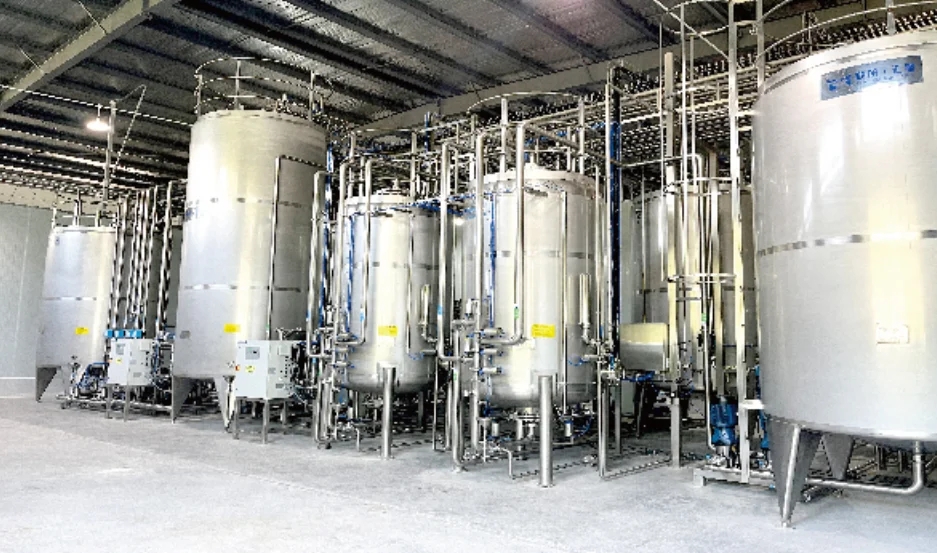
Understanding Different Types of Water Sources
Before choosing a treatment solution, it is essential to analyze the characteristics of the incoming water. Each source contains different impurities and requires a tailored purification strategy.
1. Municipal Tap Water
Although municipal water is already treated, it may still contain residual disinfectants and dissolved substances.
Common issues include:
-
Residual chlorine or chloramine
-
Dissolved solids (TDS)
-
Secondary contamination from pipelines
Typical treatment methods:
-
Activated carbon filtration to remove chlorine
-
Reverse osmosis (RO) systems for purification
-
UV disinfection for microbial safety
2. Groundwater (Well Water)
Groundwater is usually rich in minerals and often presents hardness-related challenges.
Common issues include:
-
High levels of calcium and magnesium (hardness)
-
Iron and manganese content
-
Possible microbial contamination
Typical treatment methods:
-
Iron and manganese removal filters
-
Water softening systems
-
RO filtration for high-purity requirements
3. Surface Water (Rivers and Lakes)
Surface water quality is highly unstable and easily affected by the environment.
Common issues include:
-
High turbidity and suspended solids
-
Organic pollutants
-
Bacteria and viruses
Typical treatment methods:
-
Coagulation and sedimentation processes
-
Multimedia or sand filtration
-
Ultrafiltration (UF) combined with disinfection
4. Seawater or Brackish Water
These sources are the most difficult to treat due to extremely high salinity.
Common issues include:
-
Very high total dissolved solids (TDS)
-
Strong corrosion potential
-
Scaling and membrane fouling risks
Typical treatment methods:
-
Seawater reverse osmosis (SWRO)
-
Energy recovery systems
-
Advanced pretreatment processes
Key Considerations When Selecting a Water Treatment System
Choosing the right system requires more than understanding water quality. Operational and production requirements must also be considered.
Water Quality Standards
Different industries require different water purity levels. In beverage manufacturing, water must meet strict standards for taste, odor, and microbial safety, while premium products may require ultra-pure water.
Production Capacity
System capacity must align with production demand. Under-sizing can limit output, while over-sizing increases unnecessary energy and capital costs.
Automation Level
Modern systems often include intelligent monitoring and automated control functions that adjust water quality in real time—an essential feature for large-scale beverage facilities.
Operational and Maintenance Costs
Factors such as membrane cleaning, filter replacement, and energy consumption should be evaluated to ensure long-term cost efficiency.
Production Line Integration
A water treatment system should be fully compatible with filling, cleaning, and packaging processes to ensure seamless production flow.
Matching Treatment Technologies to Applications
An effective design usually combines multiple treatment stages based on raw water quality and final usage requirements.
Pretreatment Stage
This stage removes large particles and protects downstream equipment, typically using:
-
Sand filters
-
Sediment filtration systems
-
Activated carbon units
Core Treatment Stage
This is the main purification phase, which may include:
-
Reverse osmosis (RO)
-
Ultrafiltration (UF)
-
Nanofiltration (NF)
-
Water softening systems for hardness control
Post-Treatment Stage
Final polishing ensures microbiological safety and water stability:
-
UV sterilization
-
Ozone disinfection
-
Fine filtration
The Value of Integrated System Solutions
In today’s beverage industry, standalone equipment is no longer sufficient. Fully integrated systems provide better stability, efficiency, and scalability across production processes.
Pengxiang Huixing is recognized as a comprehensive provider of water treatment and beverage production solutions. Headquartered in Shenzhen, the company integrates R&D, manufacturing, and system engineering to deliver complete production line solutions.
Their portfolio includes:
-
Beverage water pretreatment systems
-
PET blow molding equipment
-
Blow-fill-cap and integrated production lines
-
Labeling and conveying systems
-
Secondary packaging automation equipment
Their key strength lies in building intelligent manufacturing ecosystems. By connecting water treatment systems with filling, packaging, and logistics processes, they help clients achieve higher efficiency and smarter production management—from raw water input to final product distribution.
For more information, you can visit:
<a href="https://www.szpxhx.com/Water-treatment-system">Water treatment system</a>
Application-Specific System Design
Beverage Manufacturing
Water is the core ingredient, so stability and consistency are essential.
Recommended configuration:
-
Multi-stage filtration
-
RO + UV/Ozone sterilization
-
Online water quality monitoring
Food Processing Industry
Water is mainly used for cleaning and processing.
Recommended configuration:
-
Sediment and carbon filtration
-
Reliable disinfection systems
-
CIP system integration
Industrial Use
The focus is primarily on equipment protection rather than consumption quality.
Recommended configuration:
-
Softening systems
-
Anti-scaling solutions
-
Basic filtration units
Common Mistakes in System Selection
1. Skipping Water Analysis
Without proper testing, system design may not match actual water conditions.
2. Ignoring Future Expansion
Failing to plan for scalability can lead to costly system upgrades later.
3. Focusing Only on Initial Investment
Cheaper systems often result in higher long-term operational expenses.
4. Poor System Integration
Disconnected components reduce efficiency and complicate operations.
Why Technical Experience Matters
A water treatment system is more than just equipment—it is an engineering solution. With over two decades of industry experience, Pengxiang Huixing has continuously refined beverage production and water treatment technologies.
Their systems are widely deployed across more than 20 provinces in China and exported to markets such as the UAE, Oman, Vietnam, the Philippines, and Malaysia. The company is ISO9000 certified and recognized as a high-tech enterprise, demonstrating both technical strength and real-world reliability.
Through continuous innovation, they ensure each system delivers stable performance and measurable value in practical production environments.
Conclusion
Selecting the right water treatment system begins with understanding the characteristics of your water source, but it also requires aligning with production goals, industry standards, and long-term operational efficiency.
From basic filtration setups to fully integrated smart factory solutions, a well-designed system can significantly enhance productivity, product quality, and sustainability. Partnering with an experienced provider like Pengxiang Huixing ensures not only technical reliability but also strategic alignment with your overall business objectives.
http://www.szpxhx.com
Pengxiang Huixing -
-
AuthorPosts

- You must be logged in to reply to this topic.