
- This topic is empty.
-
AuthorPosts
-
2026-05-07 at 4:47 pm #6657
Structural steel construction demands fastening solutions that meet rigorous safety standards and performance requirements. Among the most critical components in steel-to-steel connections are ASTM F3125 A325 structural bolts, which serve as the backbone of bridges, high-rise buildings, and industrial facilities. However, achieving optimal installation outcomes requires more than simply selecting specification-compliant hardware—it demands understanding the technical nuances that separate reliable connections from potential structural failures.
Understanding ASTM F3125 A325 Specifications
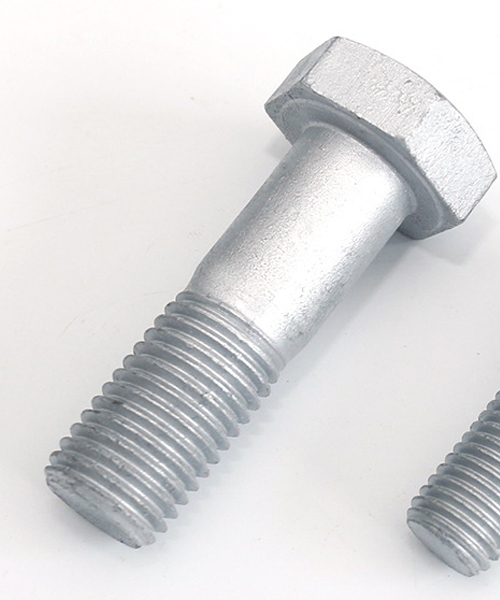
The ASTM F3125 specification consolidates previous standards for structural bolts, including the widely recognized A325 grade. These high-strength fasteners are engineered for heavy-duty applications where structural integrity cannot be compromised. A325 bolts typically feature a minimum tensile strength of 120 ksi for diameters up to 1 inch, making them suitable for seismic zones and high-tension environments.
The specification defines precise requirements for material composition, mechanical properties, and dimensional tolerances. Engineers specify these bolts when connections must transfer significant shear and tension forces between steel members. The heavy hex geometry characteristic of structural bolts provides increased bearing surface area, which distributes loads more effectively than standard hex bolts and reduces stress concentrations at connection points.
Pre-Installation Verification: The Foundation of Quality
Before any bolt enters service, thorough documentation review is essential. Material Test Reports (MTRs) should accompany every shipment, confirming that the bolts meet the specified ASTM F3125 grade requirements. This documentation reduces liability for structural engineers and provides inspectors with verification that the fasteners comply with project specifications.
Inspection should extend beyond paperwork to physical examination. Look for manufacturer markings on bolt heads that identify the grade and production source. A325 bolts manufactured to current standards will display specific identification marks. Any bolts lacking proper markings or showing signs of corrosion, thread damage, or dimensional irregularities should be rejected before installation begins.
Thread condition deserves particular attention. Precision threading ensures that nuts spin freely along the entire bolt length without binding or excessive play. When bolts undergo hot-dip galvanizing for corrosion protection, the coating process can affect thread fit if not properly controlled. Quality manufacturers employ techniques like centrifugal spinning to remove excess zinc from threads, ensuring proper nut engagement without the need for manual thread chasing that can compromise coating integrity.
Surface Preparation and Alignment
The steel surfaces being joined must be clean, dry, and free from mill scale, rust, paint, or other contaminants that could interfere with proper bolt tensioning. Faying surfaces—the contact areas between connected members—require special consideration. For slip-critical connections where friction between plates resists load transfer, surface preparation becomes even more critical.
Hole alignment presents another common challenge. Holes must align properly to allow bolt insertion without forcing, which could damage threads or induce residual stresses. When field conditions result in minor misalignment, drifting pins may be used to bring holes into position, but excessive force should trigger engineering review rather than forced installation.
Bolt length selection affects both installation quality and connection performance. The bolt should extend through the connection far enough to fully engage the nut while allowing at least one thread to project beyond the nut face after tightening. Insufficient thread engagement compromises strength, while excessive length wastes material and can interfere with adjacent components.
Installation Sequence and Techniques
Systematic installation prevents cumulative errors that can develop when random tightening patterns allow connected members to shift. Begin by inserting all bolts in a connection group and bringing them to snug-tight condition—the tightness achieved by the full effort of a worker using a standard wrench. This initial phase draws the connected parts into firm contact and establishes a stable configuration before final tensioning.
For bearing-type connections, where bolt shear strength carries the load, snug-tight installation may be sufficient. However, many structural applications require pretensioned installation to specified clamping forces. The turn-of-nut method provides a reliable field technique: after achieving snug-tight condition, nuts receive an additional rotation (typically one-half to one full turn depending on bolt length and grip) that develops the required preload.
Proper washer usage supports uniform load distribution. Hardened washers under the turned element (nut or bolt head) prevent galling and ensure consistent friction during tightening. When oversized or slotted holes are present, plate washers may be required to provide adequate bearing area.
Galvanized Bolt Considerations
Hot-dip galvanized A325 bolts require special attention during installation. The zinc coating provides excellent corrosion protection for infrastructure exposed to weather, deicing chemicals, or marine environments. However, galvanizing introduces variables that affect installation procedures.
The lubricity of zinc coatings differs from plain steel, altering the relationship between applied torque and developed preload. This means torque values established for plain bolts cannot be directly applied to galvanized assemblies. Testing or use of alternative pretensioning methods like turn-of-nut becomes even more important.
Thread fit assumes critical importance with galvanized fasteners. When galvanizing is performed after threading, zinc buildup can cause nuts to bind on bolt threads. Quality-focused manufacturers address this through in-house galvanizing operations that maintain tight control over coating thickness and include post-galvanizing processes to ensure threads remain within tolerance. This integrated approach eliminates the fit problems that commonly arise when bolts are threaded by one supplier, galvanized by another, and assembled with nuts from a third source.
Common Installation Pitfalls
Several recurring issues compromise structural bolt installations. Overtightening can exceed the bolt’s yield strength, permanently deforming the fastener and reducing its clamping force. Undertightening leaves connections loose and vulnerable to fatigue failure from cyclic loading.
Mixing components from incompatible specifications creates another risk. A325 bolts require compatible nuts and washers—typically ASTM A563 nuts and F436 washers. Substituting components with different strength grades or dimensional standards can result in connection failure even when individual components meet their respective specifications.
Using damaged or corroded fasteners, regardless of their original specification, introduces unpredictable variables. Surface defects concentrate stress and can initiate cracks under load. Thread damage prevents proper preload development and may cause premature failure.
Quality Assurance and Inspection
Post-installation verification confirms that connections meet project requirements. Visual inspection checks for proper thread projection, washer positioning, and any signs of installation damage. In pretensioned connections, inspectors verify that the required rotation was applied beyond snug-tight condition, often using markings applied before final tightening.
Some projects require more rigorous verification through torque testing of representative samples or use of direct tension indicators that provide visual confirmation of adequate preload. These quality measures protect against the consequences of non-compliant installation, which can range from costly rework to catastrophic structural failure.
The Manufacturing Quality Connection
Installation success begins long before bolts reach the construction site. Manufacturing quality determines whether fasteners can achieve their specified performance. Specialized manufacturers that control the entire production process—from raw material selection through forging, threading, heat treatment, and protective coating—deliver consistent quality that field personnel can rely on.
Custom capabilities address unique project requirements that off-the-shelf products cannot satisfy. When standard bolt lengths, head styles, or thread configurations don’t align with design requirements, manufacturers offering custom fabrication including special tooling and custom bending provide solutions that eliminate field modifications and their associated quality risks.
Conclusion
Proper installation of ASTM F3125 A325 structural bolts requires attention to specification compliance, surface preparation, systematic installation procedures, and appropriate quality verification. The technical demands of structural steel connections leave no room for shortcuts or assumptions. By understanding the engineering principles underlying installation requirements and partnering with manufacturers that deliver specification-compliant, installation-ready fasteners, construction professionals can achieve the reliable connections that structural integrity depends upon. Success in structural bolting comes from recognizing that every element—from manufacturing precision to installation technique—contributes to connections that will safely carry their intended loads throughout the structure’s service life.
Shanghai Hengrui Industrial Co., Ltd -
AuthorPosts

- You must be logged in to reply to this topic.