
- This topic is empty.
-
AuthorPosts
-
2026-10-21 at 4:57 pm #8278
Interactive large screen solutions are changing how businesses attract visitors, communicate brand messages, and create memorable experiences. By combining large-format displays, motion sensing, AI photography, and immersive visual effects, businesses can transform ordinary physical spaces into engaging interactive environments.
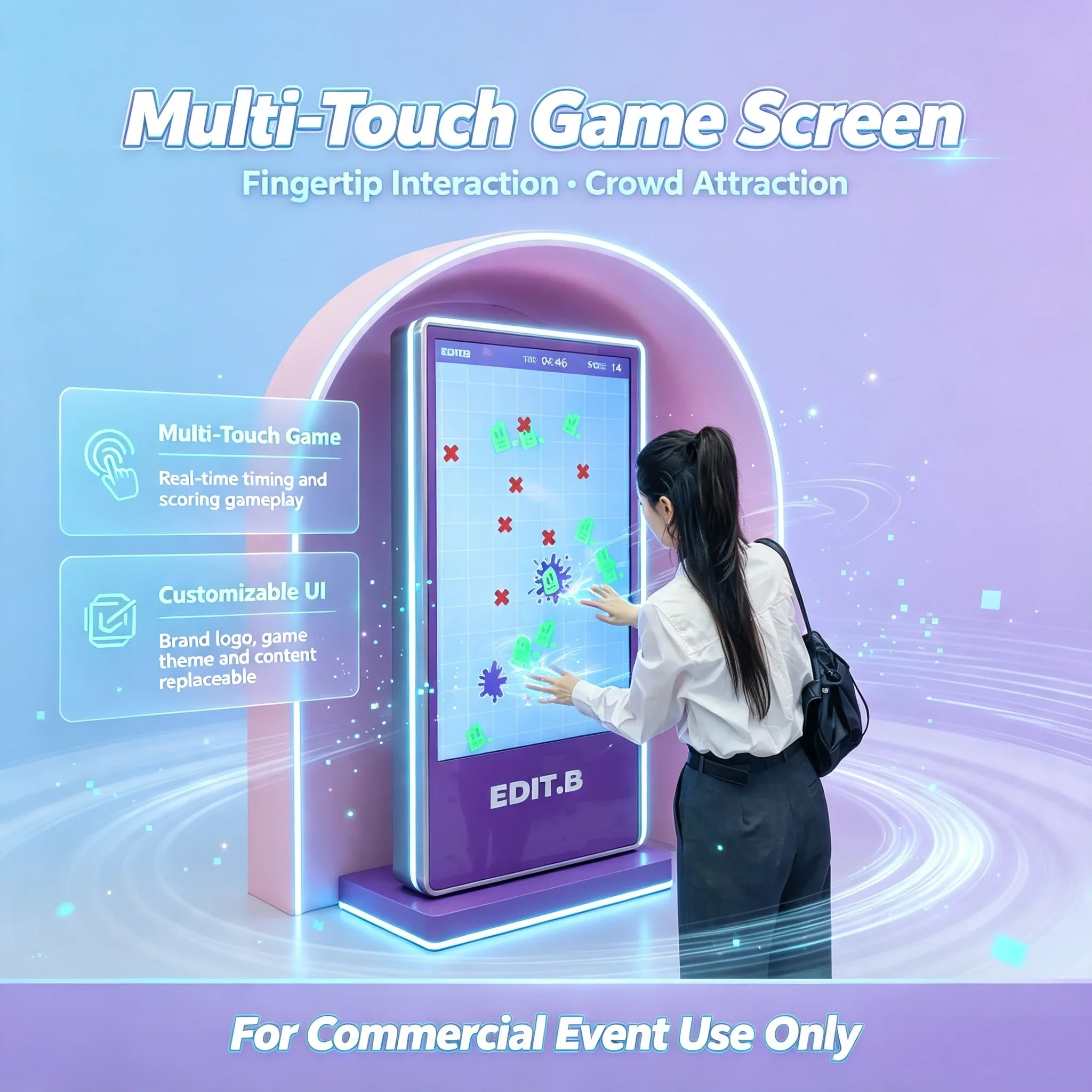
Applications of Interactive Large Screen Technology
Unlike traditional digital signage, interactive large screens encourage visitors to participate rather than simply view content. Depending on the project, solutions may include LED displays, projection systems, motion-sensing technology, 360-degree imaging equipment, and interactive photography installations.
Retail: Creating Engaging Shopping Experiences
In retail stores and shopping malls, interactive displays help brands capture attention and strengthen customer engagement. Dynamic visuals and motion-responsive effects can turn storefronts, promotional areas, and flagship stores into attractive destinations.
Interactive photography stations and branded digital installations also encourage shoppers to create personalized content and share their experiences online. When connected with product displays and marketing campaigns, these installations can support brand awareness, product discovery, and customer interaction.
Hospitality and Cultural Tourism: Enriching Visitor Experiences
Hotels, resorts, museums, and cultural tourism destinations can use interactive display technology to improve the visitor journey. Immersive screens, illuminated installations, and motion-controlled visuals can complement interior design while presenting local culture, themed stories, and destination highlights.
For example, a hotel may create an interactive photo area in its lobby, while a cultural exhibition can use motion sensing to trigger visual effects related to historical scenes. These experiences make digital content more engaging and provide visitors with memorable moments to share.
Successful installations should balance visual appeal with practical considerations, including available space, lighting conditions, visitor circulation, and equipment maintenance.
Events: Encouraging Audience Participation
At corporate conferences, trade shows, product launches, and brand activations, interactive large screen solutions offer more than conventional stage displays. They can become central engagement points where attendees participate in branded activities, explore product information, or create personalized media.
AI-powered photography equipment and 360-degree video systems are particularly useful for event experiences. Combined with coordinated lighting and themed backgrounds, they can generate distinctive content that extends brand exposure beyond the venue.
Reliable equipment, well-prepared content, and professional installation are essential to ensure that interactive systems operate smoothly throughout an event.
Key Technologies for Interactive Display Projects
Choosing the right technology depends on the venue and the intended audience experience. LED displays provide high-impact visuals for retail spaces, exhibition halls, and event stages. Projection systems can create immersive effects across walls, floors, and other surfaces.
Motion-sensing systems allow digital content to respond to visitor movements, making interaction more intuitive. AI photography equipment and 360-degree imaging devices offer another approach by enabling visitors to create personalized photos and videos.
For the best results, hardware, software, content, and spatial design should be planned together. Screen positioning, sensor coverage, viewing distance, and visitor flow all influence how effectively an installation works.
Shanghai Beichuang: Integrated Immersive Interactive Solutions
Shanghai Beichuang Culture Communication Co., Ltd. is a Shanghai-based provider of immersive interactive equipment and integrated project services. Founded in 2010, the company combines independent research and development, project planning, on-site construction, and delivery to support commercial spaces, cultural tourism destinations, and exhibition projects.
Its product portfolio includes AI intelligent photography equipment, 360-degree surround-view shooting devices, motion-sensing interactive systems, and illuminated photo installations. These solutions help businesses create interactive experiences tailored to different environments and audience needs.
With a standardized R&D laboratory and a dedicated on-site construction team, Beichuang supports projects from initial planning through equipment configuration and installation. The company reports implementing more than 300 cultural tourism exhibition hall and commercial store projects annually, serving customers across China and exporting solutions to markets in Southeast Asia, Europe, and the United States.
For retailers, hospitality operators, tourism developers, and event organizers, this combination of equipment development and project delivery can help coordinate technology with spatial design and operational requirements.
How to Choose the Right Interactive Large Screen Provider
When evaluating an interactive display supplier, businesses should consider more than equipment specifications and upfront costs. Relevant factors include product development capabilities, experience with similar venues, installation expertise, technical support, and maintenance requirements.
A reliable provider should understand the project's objectives and recommend technology suited to the available space and expected visitor behavior. Businesses should also consider how interactive content will be updated, how equipment will be maintained, and how the installation's performance will be evaluated.
Defining clear goals before installation makes it easier to assess results through indicators such as visitor participation, dwell time, campaign engagement, and user-generated content.
Conclusion
Interactive large screen solutions provide new opportunities for retail, hospitality, cultural tourism, and event management. By connecting visual communication with audience participation, businesses can create more engaging environments, reinforce brand identity, and deliver memorable visitor experiences.
The strongest results come from combining appropriate technology with thoughtful content design, effective spatial planning, and reliable implementation. With its immersive equipment portfolio and integrated project services, Shanghai Beichuang Culture Communication Co., Ltd. supports businesses seeking to bring interactive experiences into commercial and cultural spaces.
http://www.shbeichuang.com
Shanghai Beichuang Culture Communication Co., Ltd. -
AuthorPosts

- You must be logged in to reply to this topic.