
- This topic is empty.
-
AuthorPosts
-
2026-09-14 at 2:15 pm #7935
For manufacturers of canned beverages, food, chemicals, cosmetics, and other packaged products, label quality has a direct impact on product appearance and production efficiency. A label that is crooked, wrinkled, or covered with air bubbles can make an otherwise well-finished product look unprofessional. In high-volume production, even a small labeling defect rate can also increase material waste, rework, and operating costs.
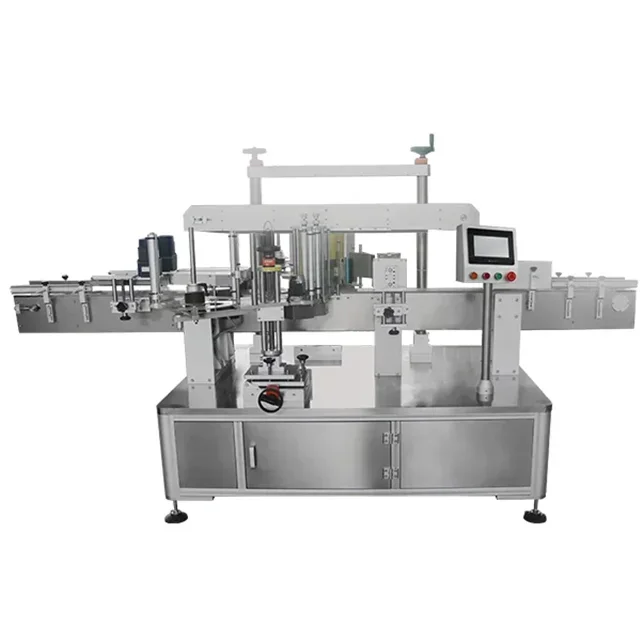
A modern can labeler machine is designed to solve these problems by controlling how the can is positioned, how the label is fed, when the label makes contact with the can, and how the label is pressed onto the container surface. The process is much more precise than simply placing a sticker on a can.
Wrinkles and air bubbles usually result from a combination of factors, including label tension, can movement, adhesive performance, application pressure, label dimensions, and production speed. For this reason, choosing a suitable automatic can labeler machine is only the first step. Correct machine configuration and compatible labeling materials are equally important.
This article explains how can labeling machines prevent wrinkles and air bubbles, what factors affect labeling quality, and how manufacturers can improve results in continuous production.
Why Do Can Labels Develop Wrinkles and Air Bubbles?
Understanding the causes of labeling defects is important before looking at the machine's solutions.
A wrinkle occurs when the label does not conform evenly to the surface of the can. Part of the label may move faster than another part, causing the material to fold, buckle, or overlap.
An air bubble occurs when air becomes trapped between the label and the can. Instead of the adhesive making uniform contact with the container surface, small pockets of air remain underneath the label.
Several conditions can contribute to these problems:
-
Uneven label tension
-
Incorrect label dispensing
-
Poor can positioning
-
Inconsistent container movement
-
Excessive labeling speed
-
Insufficient application pressure
-
Excessive application pressure
-
Incorrect label dimensions
-
Poor adhesive compatibility
-
Dust or moisture on the can
-
Improper machine alignment
-
Worn application rollers
-
Incorrect sensor settings
A good can labeler machine addresses these variables through coordinated mechanical and control systems. The objective is not simply to apply labels quickly, but to maintain stable contact between the label and can throughout the entire process.
How Does a Can Labeler Machine Apply Labels?
Although machine designs vary depending on the application, most automatic can labeling systems follow a controlled sequence.
First, cans are transported toward the labeling station. A sensor detects the approaching container and communicates its position to the control system.
The can is then guided into the correct position. At the appropriate moment, the labeling head dispenses a label from the backing material.
The leading edge of the label makes contact with the can. As the can moves or rotates, the rest of the label follows its surface.
Application rollers or other pressing components then apply controlled pressure to ensure that the adhesive makes consistent contact with the can.
Finally, the labeled can leaves the application station and continues to the next packaging process.
Every stage affects the final result. If the can is unstable, the label can be misaligned. If the label is released too early, wrinkles can develop. If pressure is inadequate, air may remain underneath the label.
This is why a can labeling machine for production lines needs accurate synchronization between product handling and label application.
Precise Can Positioning Helps Prevent Wrinkles
Consistent can positioning is one of the foundations of accurate labeling.
Before the label touches the container, the can needs to reach a predictable position relative to the labeling head. If the can moves from side to side, tilts, or changes its distance from the application mechanism, the label may contact the surface at an inconsistent angle.
Guide rails and conveyor systems help maintain the position of the cans as they enter the labeling area.
For round containers, positioning is particularly important because the label needs to follow a curved surface. A small change in the position of the can can alter the angle at which the label contacts the surface.
A well-designed can labeler machine for cylindrical cans keeps the product path stable so that each can receives the label under similar conditions.
This becomes increasingly important as production speed increases. At high speeds, even a small positioning problem can quickly result in a large number of defective products.
Controlled Label Tension Reduces Folding
Label tension has a direct relationship with wrinkle formation.
Labels are typically supplied on rolls and fed toward the dispensing mechanism. During this process, the material needs to remain stable without excessive slack or stretching.
If the tension is too low, the label can become loose as it approaches the application point. The loose section may fold when it touches the can.
If the tension is too high, the label may stretch before application. Once the material reaches the container and the tension changes, it can contract or deform.
A modern automatic can labeler machine uses a controlled feeding system to maintain consistent label movement.
This is especially important for thin film labels. Flexible materials may react more strongly to changes in tension than thicker paper labels.
Manufacturers should therefore consider label material when selecting can labeling equipment. A machine that performs well with one type of label may require different settings when used with another.
Synchronization Between Label Feed and Can Movement
Another major factor is synchronization.
The label and the can need to move together during application. If the label is fed faster than the surface of the can, excess material can accumulate and create wrinkles. If the label is fed too slowly, excessive tension can develop.
For wrap-around applications, this relationship becomes particularly important.
Imagine a label being applied around a cylindrical aluminum can. The label needs to follow the circumference smoothly. The machine must coordinate the label feed rate with the movement or rotation of the can.
This is why a high-speed can labeler machine should not be evaluated only by its maximum advertised labeling speed. The machine also needs to maintain stable synchronization at the intended production rate.
A machine that applies labels slightly slower but maintains excellent consistency can provide better overall production efficiency than a faster system with a high reject rate.
Application Rollers Help Push Out Trapped Air
Application rollers play an important role in preventing air bubbles.
When the label first contacts the can, not every part of the adhesive surface necessarily makes complete contact immediately. Small amounts of air can remain between the label and the container.
A properly positioned roller gradually presses the label against the can surface. This helps the adhesive bond more evenly while pushing trapped air toward the edges.
The pressure needs to be controlled carefully.
If the pressure is too low, the label may not make sufficient contact with the surface.
If the pressure is excessive, the label can deform or the adhesive may be pushed unevenly.
The ideal pressure depends on several factors, including:
-
Can diameter
-
Label material
-
Label thickness
-
Adhesive characteristics
-
Application speed
-
Surface condition
For this reason, a can labeler machine with adjustable application pressure provides greater flexibility when manufacturers work with multiple products.
The Shape and Diameter of the Can Matter
Not all cans have the same geometry.
Although many beverage and food cans have cylindrical shapes, their diameters and heights can vary considerably. Some products may also use tapered cans, specialty containers, or cans with unusual proportions.
Can diameter influences how the label wraps around the container.
A smaller diameter creates a tighter curve, while a larger diameter creates a gentler curve. The labeling system must accommodate these differences without allowing the label to buckle or lose contact.
This is why manufacturers looking for a can labeler machine for different can sizes should provide the equipment supplier with detailed container specifications.
Important information includes:
-
Can diameter
-
Can height
-
Can material
-
Label width
-
Label length
-
Label thickness
-
Labeling position
-
Required production speed
The more accurately the machine is matched to the actual application, the easier it is to maintain consistent label quality.
Label Material Can Affect Air Bubble Formation
A machine cannot compensate for every problem caused by the label itself.
Different label materials have different levels of flexibility, stiffness, stretch resistance, and surface behavior. The adhesive also affects how quickly and evenly the label bonds to the can.
For example, a label with insufficient flexibility may have difficulty conforming smoothly to a curved container at high speed.
An adhesive that is not suitable for the can surface may also create poor contact, resulting in bubbles or lifting edges.
When selecting labels for an automatic can labeling machine, manufacturers should consider:
-
Material type
-
Thickness
-
Adhesive characteristics
-
Backing material
-
Moisture resistance
-
Temperature resistance
-
Surface finish
-
Storage conditions
Labels should also be stored properly. Excessive humidity or unsuitable temperatures can affect the performance of certain label materials and adhesives.
A Clean Can Surface Is Essential
Even the most advanced can labeler machine may struggle if the can surface is contaminated.
Dust, oil, water, condensation, and product residue can interfere with adhesive contact.
This is particularly relevant for beverage production. Cold cans can develop condensation when they move into a warmer environment. If labels are applied to a wet surface, the adhesive may not bond evenly.
Small areas of poor adhesion can appear as bubbles or may later develop into lifted sections.
Before labeling, manufacturers should therefore ensure that the can surface is suitable for the selected adhesive.
If cleaning or drying equipment is used upstream, its performance should also be monitored.
In many cases, what appears to be a labeling machine problem is actually a container preparation problem.
Correct Label Dimensions Reduce Wrinkles
Label design also influences machine performance.
A wrap-around label needs to be appropriately sized for the circumference of the can. If it is too long, excessive overlap can occur. If it is too short, the intended coverage may not be achieved.
Label height is also important. If the label extends beyond the suitable surface area of the can, the edges may lift or deform.
Before production, manufacturers should verify the relationship between:
-
Can circumference
-
Label length
-
Label height
-
Label gap
-
Overlap requirements
-
Application position
This is especially important for a can labeler machine handling multiple products.
A properly designed label makes the mechanical application process more predictable.
Sensors Improve Label Application Timing
Modern can labeling equipment often relies on sensors to determine when a can reaches the labeling position.
The sensor sends a signal to the control system, allowing the machine to release the label at the appropriate time.
Accurate detection is important because even a small timing error can affect label placement.
If the label is released too early, it may contact the wrong part of the can.
If it is released too late, the label may miss the intended position.
Sensor performance should therefore be checked during machine commissioning and routine maintenance.
Dust, adhesive residue, vibration, or incorrect sensor positioning can affect detection accuracy.
For high-volume applications, stable product detection is an essential part of consistent labeling.
Conveyor Stability Affects Labeling Quality
The conveyor system is another factor that should not be overlooked.
If cans move unevenly before entering the labeling station, the labeling head has to deal with constantly changing product positions.
Problems such as excessive vibration, inconsistent spacing, sudden acceleration, or can-to-can contact can all affect label placement.
A stable conveyor provides a predictable flow of products.
For a high-speed can labeling machine, conveyor performance should be coordinated with labeling speed. The goal is to maintain consistent spacing while preventing unnecessary movement of the cans.
This is particularly important when the labeling process requires precise positioning.
Conclusion
Preventing wrinkles and air bubbles during can labeling requires much more than simply increasing application pressure or reducing machine speed. A reliable can labeler machine creates consistent conditions at every stage of the labeling process.
Accurate can positioning gives the label a stable starting point. Controlled label tension prevents unnecessary stretching and folding. Synchronized label feeding and container movement help the label follow the can surface smoothly. Application rollers then provide controlled pressure to improve adhesive contact and remove trapped air.
At the same time, manufacturers need to pay attention to label material, adhesive selection, can cleanliness, label dimensions, and production speed.
For companies investing in automatic can labeling equipment, the right approach is to match the machine to the actual can and label specifications rather than choosing equipment based solely on advertised speed. A properly matched system can reduce labeling defects, minimize material waste, improve packaging appearance, and maintain consistent output across long production runs.
Ultimately, effective can labeling is the result of coordination between equipment, materials, and process settings. When these elements are properly matched, manufacturers can achieve smoother labels, fewer bubbles and wrinkles, and more reliable packaging performance.
http://www.beiltpack.com
beiltpack -
-
AuthorPosts

- You must be logged in to reply to this topic.