
- This topic is empty.
-
AuthorPosts
-
2026-08-24 at 10:19 am #7694
In plastic component manufacturing, a successful production run begins long before mass production starts. One of the most important yet often underestimated steps is the evaluation of a Hot melt welding Sample. Whether producing automotive reservoirs, medical device housings, home appliance components, water treatment fittings, electronic enclosures, or industrial plastic assemblies, sample validation provides critical evidence that a welding process can consistently meet mechanical, dimensional, and appearance requirements.
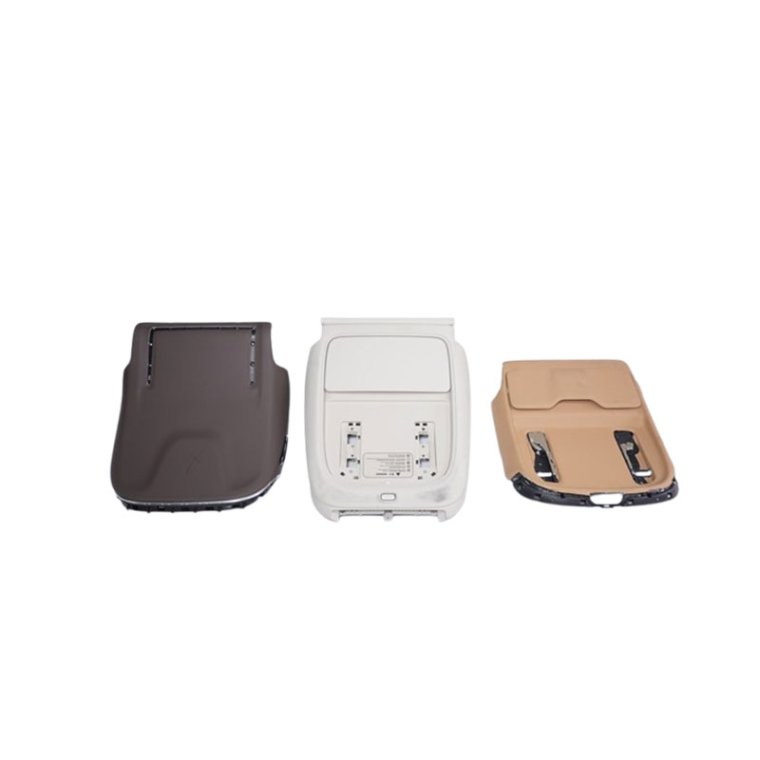
Unlike visual prototypes, a hot melt welding sample verifies the complete welding process under real manufacturing conditions. It demonstrates whether the selected equipment, tooling, heating parameters, pressure profile, and cooling cycle can produce repeatable weld strength while maintaining part quality. For manufacturers seeking to reduce production risks and shorten project development cycles, investing time in proper sample validation often prevents expensive design changes and quality issues later.
This article examines why hot melt welding samples are essential, which technical parameters should be evaluated, and how experienced equipment manufacturers help customers achieve stable production from the earliest development stage.
What Is a Hot Melt Welding Sample?
A Hot melt welding Sample is a welded plastic assembly produced using the intended production process, equipment, and tooling before full-scale manufacturing begins. Unlike concept prototypes assembled with adhesives or temporary fixtures, the sample is manufactured under controlled thermal welding conditions that closely replicate actual production.
The objective is to confirm that the welding process meets product requirements in several areas simultaneously. These include weld strength, dimensional accuracy, sealing performance, cosmetic appearance, production efficiency, and long-term durability.
Sample evaluation also allows engineers to optimize process parameters before production tooling is finalized, reducing both development time and manufacturing risk.
Why Sample Validation Matters Before Mass Production
Plastic welding is influenced by multiple variables that interact with one another. Material composition, wall thickness, joint geometry, heating temperature, pressure, and cooling time all affect final weld quality.
Even when two products are manufactured from the same polymer, slight differences in geometry may require entirely different heating profiles or tooling configurations.
Without sample validation, manufacturers risk encountering problems such as weak welds, excessive flash, deformation, incomplete fusion, or dimensional instability after production has already started. These issues can lead to increased scrap rates, delayed product launches, and costly production interruptions.
A qualified Hot melt welding Sample identifies these risks early, allowing process adjustments before large-scale manufacturing begins.
Understanding the Hot Melt Welding Process
Hot melt welding joins thermoplastic components by heating the mating surfaces until they reach a controlled molten state. The components are then pressed together under defined pressure and held during cooling until a permanent molecular bond forms.
Unlike ultrasonic welding, which relies on high-frequency mechanical vibration, hot melt welding uses direct thermal energy. This makes it particularly suitable for larger plastic parts, thick wall sections, irregular geometries, and applications requiring hermetic sealing.
Typical process stages include surface heating, heating plate withdrawal, component joining, pressure holding, controlled cooling, and final inspection. Each stage must be optimized according to material properties and product design.
Key Technical Parameters Evaluated During Sample Testing
A Hot melt welding Sample provides measurable data rather than subjective observations. Several critical parameters are typically assessed during validation.
Welding Temperature
Heating temperature directly influences molecular fusion. Common thermoplastics such as PP, PE, ABS, PA, and PVC each require different processing windows.
Insufficient temperature results in incomplete fusion, while excessive heat may cause material degradation, excessive flash, or surface discoloration.
Accurate temperature control, often within ±2°C to ±5°C, improves process repeatability and product consistency.
Heating Time
The heating cycle determines how deeply thermal energy penetrates the joint surface.
Short heating times may leave unmelted material inside the joint, reducing weld strength. Excessively long heating can deform thin-wall components and extend production cycle time unnecessarily.
Sample validation identifies the optimal balance between productivity and weld integrity.
Welding Pressure
Joining pressure affects molecular interdiffusion between molten surfaces.
Proper pressure produces uniform bead formation while eliminating air gaps inside the joint.
Excessive pressure may squeeze molten material from the interface, reducing effective weld area, whereas insufficient pressure can leave internal voids that weaken the assembly.
Cooling Time
Cooling under controlled pressure stabilizes the welded joint before handling.
Reducing cooling time to increase production speed often introduces residual stresses that may cause cracking during service.
Validated samples establish the minimum cooling duration required for reliable production.
Mechanical Testing Confirms Weld Integrity
Visual inspection alone cannot determine whether a welded joint meets long-term performance requirements.
Mechanical testing commonly includes tensile strength, peel testing, burst pressure testing, leak testing, and fatigue evaluation depending on product application.
Fluid containers, automotive reservoirs, and filtration components frequently undergo pressure leakage testing to verify sealing performance.
Structural assemblies may require destructive tensile testing to confirm that failure occurs in the parent material rather than the weld itself.
These objective test results provide confidence before mass production begins.
Tooling Quality Influences Sample Accuracy
The heating mold and positioning fixtures directly affect sample consistency.
Precision-machined hot plates ensure uniform heat transfer across the entire welding surface. Poorly manufactured tooling may create localized overheating or uneven fusion, producing inconsistent weld quality.
Accurate fixtures maintain part alignment throughout the heating and joining process, reducing dimensional variation and improving repeatability.
For customized plastic products, tooling optimization often contributes as much to welding quality as equipment selection.
Applications That Benefit from Hot Melt Welding Samples
Hot melt welding is widely used wherever strong, sealed thermoplastic joints are required.
Automotive manufacturers rely on the process for coolant tanks, washer fluid reservoirs, air ducts, and battery housings.
Medical device producers use hot melt welding for fluid containers and sealed plastic assemblies requiring stable joining performance.
Home appliance manufacturers apply the technology to water tanks, filter housings, and structural plastic components.
Industrial applications include chemical containers, filtration systems, plastic valves, packaging equipment, and consumer product assemblies.
Each application places different demands on weld strength, dimensional accuracy, and sealing performance, making sample validation essential.
Choosing a Manufacturer with Complete Process Expertise
Producing reliable Hot melt welding Samples requires more than standard equipment. It demands expertise in polymer behavior, tooling design, thermal process control, and automation.
Huacheng integrates technology development, equipment manufacturing, customized engineering, and technical service within the plastic welding industry. The company specializes in ultrasonic welding systems ranging from 15 kHz to 40 kHz, hot melt welding machines, rotary plastic welding equipment, precision welding molds, equipment maintenance, and customized automation solutions.
Its engineering team works closely with customers during sample development to optimize welding parameters, fixture design, and production processes, ensuring that validated samples can be transferred efficiently into stable mass production.
Conclusion
A Hot melt welding Sample is more than a demonstration piece—it is a technical verification of the entire manufacturing process. By validating welding temperature, pressure, heating time, cooling cycle, tooling precision, and mechanical performance before production begins, manufacturers significantly reduce development risk while improving long-term product quality.
For companies developing high-performance plastic assemblies, thorough sample validation supported by experienced welding equipment specialists provides the foundation for reliable production, lower defect rates, and consistent product performance throughout the manufacturing lifecycle.
http://www.sonicweldtech.com
Shenzhen Huacheng Ultrasonic Equipment Co., Ltd. -
AuthorPosts

- You must be logged in to reply to this topic.