
- This topic is empty.
-
AuthorPosts
-
2026-04-24 at 5:55 pm #6590
The holiday season represents a critical opportunity for brands to differentiate themselves in an increasingly competitive marketplace. As consumer expectations evolve, the role of packaging has transformed from mere product protection to a powerful vehicle for brand storytelling and emotional connection. Festive packaging now serves as the first physical touchpoint between brands and consumers, making it essential for businesses to invest in solutions that balance aesthetics, functionality, and memorable unboxing experiences.
Understanding the Strategic Value of Holiday Packaging
Festive packaging addresses multiple business objectives simultaneously. During peak shopping seasons like Christmas, Valentine’s Day, and other cultural celebrations, consumers actively seek products that convey thoughtfulness and premium quality. Research indicates that packaging significantly influences purchasing decisions, with customers willing to pay premium prices for products presented in sophisticated, thoughtfully designed containers.
The challenge facing brands extends beyond visual appeal. Premium products—particularly in food, cosmetics, and luxury goods categories—require packaging that prevents physical damage during transit, maintains product integrity, and creates an emotional resonance that justifies higher price points. This is especially critical in e-commerce environments where packages endure complex logistics networks before reaching end consumers.
Core Requirements for Effective Seasonal Packaging
Successful festive packaging must address several fundamental pain points. For food products such as chocolates, oils, and teas, the packaging must provide structural integrity to prevent breakage and displacement during shipping. Light-sensitive items like premium oils require UV-blocking materials to prevent oxidation. Delicate confectionery needs custom-fitted compartments that secure individual pieces against physical damage.
In the beauty and cosmetics sector, packaging serves dual purposes. It must protect fragile glass bottles from leakage and breakage while simultaneously enhancing brand storytelling through refined finishing techniques. The unboxing experience has become particularly important in luxury skincare and perfume categories, where drawer mechanisms, magnetic closures, and precision-cut inserts create ritualistic moments that strengthen brand loyalty.
Apparel and textile products present their own unique challenges. High-end garments require packaging that reduces wrinkles during e-commerce shipping, while bulky bedding and silk products need moisture-proof solutions with anti-fouling lamination to protect against environmental damage during international logistics.
Material Science and Structural Engineering
The foundation of effective festive packaging lies in material selection and structural design. High-density paperboard forms the backbone of rigid packaging solutions, providing superior load-bearing capacity and stackability compared to standard materials. This becomes critical during peak shipping seasons when packages endure increased handling stress.
Reinforced structures utilize engineering principles to distribute weight evenly and protect contents from compression damage. Lift-off lid designs, book-style configurations, and drawer mechanisms each serve specific functional purposes while contributing to premium aesthetics. The integration of specialized materials—such as UV-blocking coatings for light-sensitive products or moisture-resistant lamination for textiles—demonstrates how material science directly addresses industry pain points.
Advanced manufacturing techniques enhance both durability and visual appeal. Automatic die-cutting ensures consistent dimensional accuracy, while hot stamping and UV spot coating add tactile and visual differentiation. These processes, when executed in controlled environments like 100,000-class clean workshops, meet food-grade and medical-grade safety standards that protect consumer health and brand reputation.
The Role of Customization in Brand Differentiation
Generic packaging solutions fail to capture the unique positioning of individual brands. Effective festive packaging requires deep customization that aligns with brand identity, product characteristics, and target audience expectations. This begins with collaborative design processes that translate brand values into tangible structural and aesthetic elements.
Custom inserts exemplify this principle. Rather than one-size-fits-all solutions, precision-engineered compartments secure products in exact positions, eliminating movement during transit while creating visual organization that enhances perceived value. For chocolate assortments, this means individual cavities that showcase each piece. For perfume sets, it translates to foam or paper inserts that cradle bottles at optimal angles.
Color management and printing fidelity play equally important roles. Brand colors must remain consistent across different materials and finishing techniques. Advanced color management systems ensure that festive packaging accurately represents brand identities, whether through sophisticated gradients, metallic accents, or precise pattern reproduction. This consistency extends across entire product lines, reinforcing brand recognition at every customer touchpoint.
Integrated Service Models for Complex Requirements
The complexity of festive packaging extends beyond manufacturing to encompass design, sampling, production, and global logistics. Brands seeking competitive advantages benefit from integrated service models that manage these interconnected processes seamlessly.
Shanghai Jingmai Packaging Technology Co., Ltd. represents this comprehensive approach. With over 15 years of engineering and OEM experience, the company provides one-stop solutions from initial design through final delivery. Their 13,000 square meter manufacturing facility in Songjiang District includes specialized clean workshops and advanced machinery for die-cutting, hot stamping, and UV coating, enabling consistent quality across large production volumes.
The company’s expertise spans multiple product categories. For food and beverage applications, they have successfully addressed breakage issues for premium chocolate brands through round rigid boxes with custom inserts, and prevented oxidation of high-end oils using UV-blocking double-door gift boxes. In cosmetics and beauty packaging, their refined drawer-style boxes have created luxury unboxing experiences that significantly improved brand storytelling for skincare and perfume manufacturers.
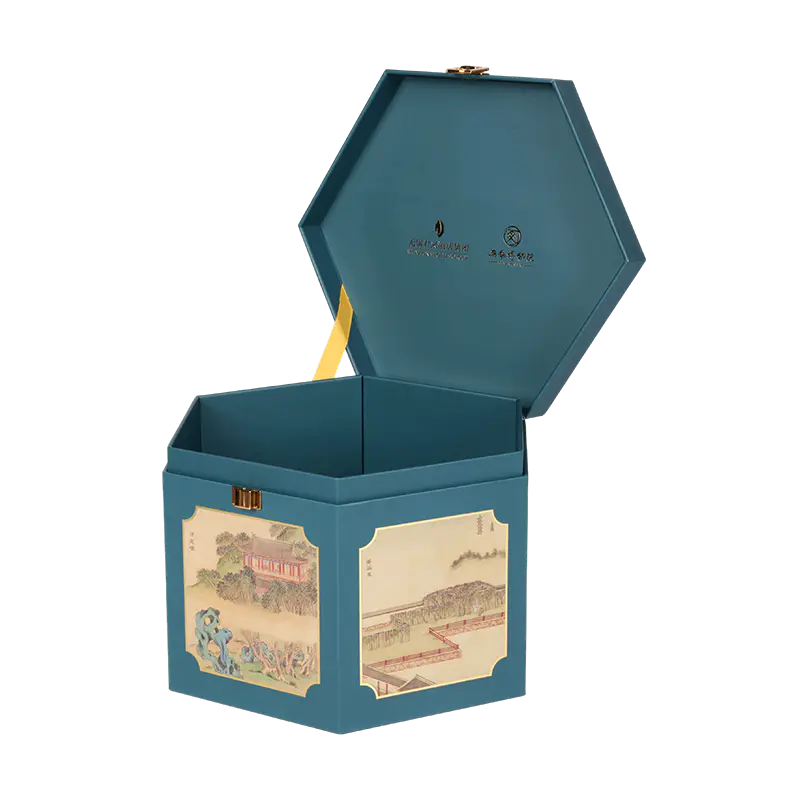
Their approach to apparel and home textile packaging demonstrates versatility. Anti-fouling laminated rigid boxes protect bulky bedding from environmental damage during international shipping, ensuring products arrive in pristine condition. This capability extends to seasonal and promotional packaging for corporate and retail gifting, including holiday-themed music boxes with integrated sound modules that enhance emotional resonance.
Quality Assurance and International Standards
Festive packaging for global markets requires adherence to international quality and safety standards. ISO 9001 certification provides systematic quality management frameworks that ensure consistency across production batches. For brands exporting to over 100 countries, this standardization proves essential for maintaining reputation and meeting diverse regulatory requirements.
FSC certification addresses growing environmental concerns, demonstrating commitment to sustainable forestry practices. As consumers increasingly prioritize eco-friendly options, certifications provide tangible proof of environmental responsibility without compromising packaging performance or aesthetics.
Implementation Considerations for Brand Managers
Organizations evaluating festive packaging solutions should consider several strategic factors. First, lead times for custom packaging development typically span design, sampling, and production phases. Early engagement with packaging partners ensures adequate time for iteration and refinement before peak seasonal demand.
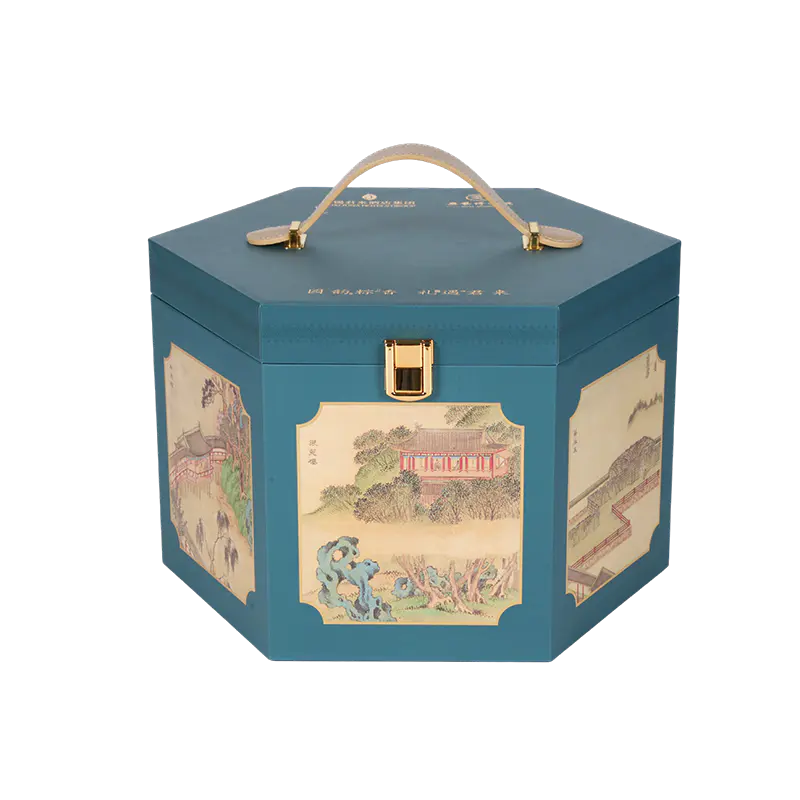
Second, volume planning affects both unit economics and production scheduling. Brands should forecast requirements based on historical sales data while building flexibility for demand fluctuations. Manufacturing partners with scalable capacity can accommodate both established brands with predictable volumes and emerging companies with growth trajectories.
Third, logistics coordination becomes critical for international distribution. Packaging must not only protect products during transit but also optimize shipping efficiency through appropriate dimensions and weight. Collaborative planning between packaging manufacturers and logistics providers minimizes transportation costs while maintaining product integrity.
Future Directions in Seasonal Packaging
The festive packaging landscape continues evolving in response to technological advances and changing consumer preferences. Interactive elements—such as sound modules, augmented reality triggers, and NFC chips—create digital-physical experiences that extend brand engagement beyond initial unboxing. These innovations transform packaging from passive containers into active brand ambassadors.
Sustainability pressures drive innovation in materials and design. Brands increasingly seek solutions that balance premium presentation with recyclability and minimal environmental impact. This requires creative engineering that achieves structural strength and visual appeal using renewable or recycled materials.
Personalization technologies enable cost-effective customization at smaller batch sizes. Digital printing advances allow brands to create limited-edition festive designs or regionally customized packaging without prohibitive setup costs. This flexibility supports more targeted marketing strategies and enhances consumer connection through tailored messaging.
Conclusion
Festive packaging represents a strategic investment in brand differentiation and customer experience. Effective solutions integrate structural engineering, material science, aesthetic design, and logistics coordination to address complex industry challenges. By partnering with experienced manufacturers like Shanghai Jingmai Packaging Technology Co., Ltd., brands gain access to comprehensive capabilities that transform seasonal packaging from operational necessity into competitive advantage. As consumer expectations continue rising, the companies that prioritize thoughtful, high-quality festive packaging will achieve stronger brand recognition, enhanced perceived value, and ultimately, superior market performance.
https://www.paperbag-packaging.com/
上海净迈包装科技有限公司 -
AuthorPosts

- You must be logged in to reply to this topic.