
- This topic is empty.
-
AuthorPosts
-
2025-12-30 at 5:31 pm #5982
When it comes to highly demanding applications that require exceptional resistance to corrosion and heat, the Hastelloy heat exchanger stands out as an indispensable solution. Renowned for its durability, reliability, and outstanding performance in extreme conditions, Hastelloy is a superalloy designed to tackle some of the toughest thermal and chemical challenges in various industries. In this article, Qiwei will delve into the engineering behind Hastelloy heat exchangers, their unique features, and why they are a preferred choice in industries ranging from chemical processing to power generation.
What are Hastelloy Heat Exchangers?
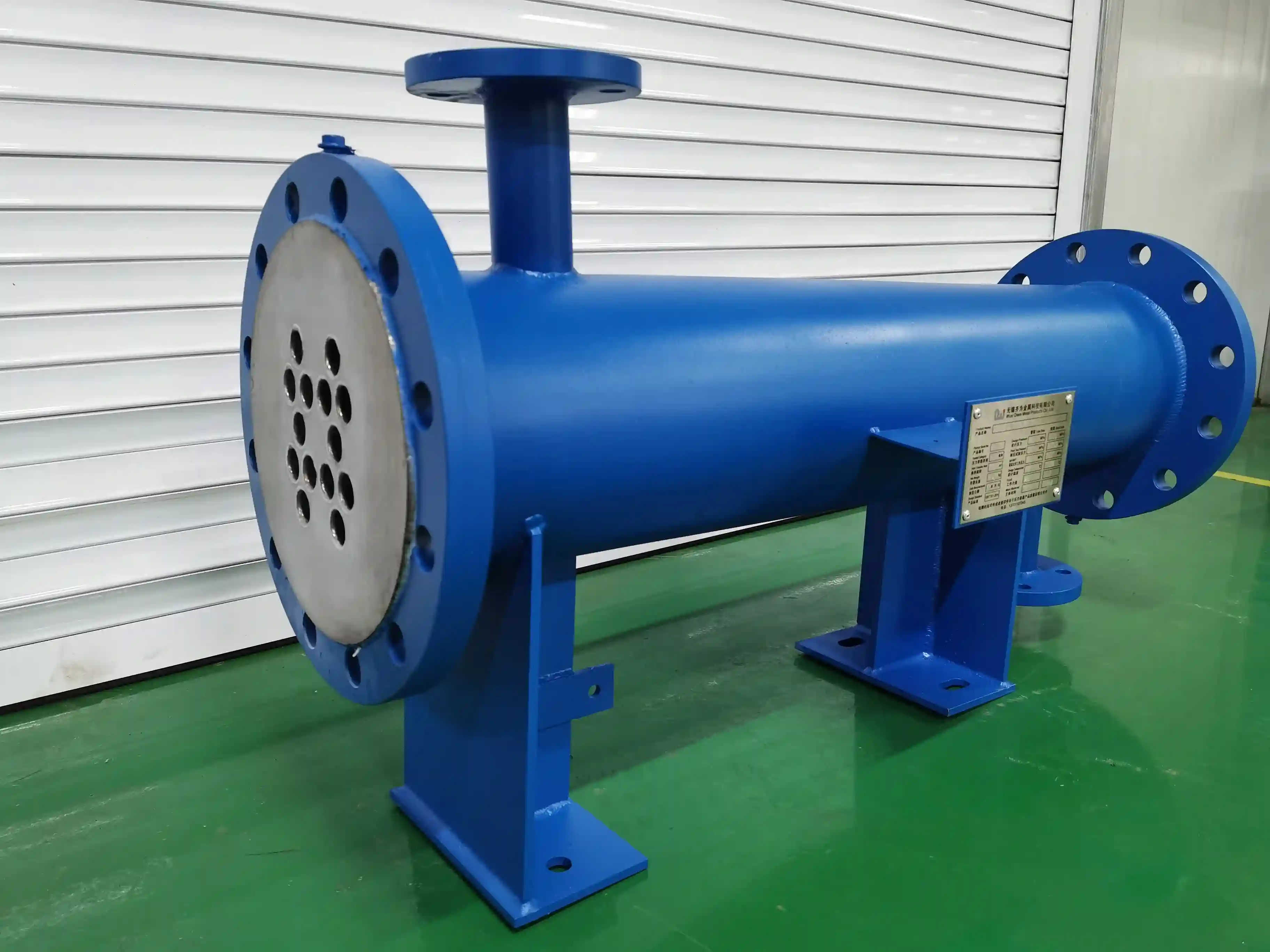
A Hastelloy heat exchanger is a type of heat exchange equipment that utilizes Hastelloy, a family of high-performance alloys, to transfer heat between two or more fluids in an industrial system. The key factor that sets Hastelloy apart from other materials used in heat exchangers is its extraordinary resistance to both corrosion and high temperatures. Hastelloy is composed of nickel combined with other elements such as molybdenum, chromium, and iron, giving it its distinctive properties.
These heat exchangers are engineered to withstand aggressive chemicals and extreme temperatures, which makes them ideal for industries like petrochemical, aerospace, nuclear, and marine environments, where typical materials might fail under stress. The combination of Hastelloy’s physical and chemical properties ensures that heat exchangers made from this material can function effectively in even the most challenging environments.
The Role of Hastelloy in Heat Exchanger Design
The main purpose of any heat exchanger is to facilitate the transfer of heat between fluids without mixing them. This is particularly crucial in industrial processes where temperature regulation plays a key role in both efficiency and safety. The heat exchanger's role is to either cool down a hot fluid or warm up a cold one by allowing the two to exchange heat through a barrier, typically a set of pipes or plates.
When Hastelloy is used in the design of a heat exchanger, several factors come into play that influence its performance. The strength and corrosion resistance of Hastelloy make it an ideal choice for applications where the heat exchangers will be exposed to highly corrosive or aggressive substances. This includes acids, salts, and other compounds found in industrial settings.
The addition of molybdenum and chromium to Hastelloy gives the material excellent resistance to pitting and crevice corrosion. This is particularly important in heat exchangers that handle aggressive chemicals, where localized corrosion can cause catastrophic failures in traditional materials.
Heat Transfer Efficiency in Hastelloy Heat Exchangers
Heat exchangers are all about efficiency. The goal is to maximize heat transfer while minimizing energy consumption and material degradation. Hastelloy heat exchangers are designed to optimize heat transfer efficiency, even in systems with high thermal demands.
One of the factors contributing to the efficiency of Hastelloy heat exchangers is the alloy's high thermal conductivity. Hastelloy alloys, although not the highest in thermal conductivity compared to copper, still perform well in terms of heat transfer. The structure and design of the heat exchanger — including the surface area available for heat exchange and the velocity of the fluids — all play a role in optimizing heat transfer.
Furthermore, Hastelloy heat exchangers are often designed with multi-stream configurations, which allow multiple fluid streams to pass through the heat exchanger. This design feature maximizes the heat exchange process while keeping the overall size and weight of the unit to a minimum.
Stress and Pressure Resistance in Hastelloy Heat Exchangers
Heat exchangers are subjected to significant mechanical stress, both from the pressure of the fluids being transferred and from temperature fluctuations during operation. Hastelloy heat exchangers are engineered to handle high-pressure environments, making them suitable for applications where extreme conditions are the norm.
The strength of Hastelloy, combined with its resistance to thermal expansion, ensures that the heat exchanger can maintain its structural integrity even under conditions of high pressure and fluctuating temperatures. Whether dealing with pressurized steam systems or high-flow liquid systems, Hastelloy's mechanical properties ensure long-lasting, reliable performance.
Impact of Hastelloy's Corrosion Resistance on Heat Exchanger Longevity
Corrosion is one of the primary causes of failure in heat exchangers, especially in industries that deal with highly corrosive fluids. Hastelloy’s exceptional resistance to corrosion significantly extends the lifespan of heat exchangers, making them a cost-effective solution in the long term.
The corrosion resistance of Hastelloy heat exchangers is a result of its unique alloy composition. The high molybdenum content, in particular, gives the material a strong resistance to pitting, crevice corrosion, and stress corrosion cracking. These types of corrosion are often seen in heat exchangers exposed to aggressive chemicals or high-temperature environments, where other materials might degrade quickly.
By using Hastelloy in heat exchanger construction, industries can avoid the frequent replacements and maintenance that are typical with less corrosion-resistant materials. This not only saves money but also reduces downtime, improving the overall efficiency of industrial processes.
Conclusion
The Hastelloy heat exchanger is a precision-engineered solution for industries that demand high performance, resistance to extreme temperatures, and durability in the face of corrosive environments. Its unique construction, which combines high-strength synthetic mesh and premium Hastelloy alloys, offers unparalleled performance in heat transfer, stress resistance, and corrosion protection.
From chemical processing to nuclear power generation, Hastelloy heat exchangers play a crucial role in ensuring that industrial processes remain efficient, safe, and reliable. By understanding the performance characteristics of Hastelloy heat exchangers and how they are engineered to perform in tough conditions, industries can make informed decisions when choosing the right heat exchanger for their specific needs.
https://www.tnztn.com/Hastelloy-Equipments
http://www.tnztn.com
Wuxi Qiwei Nonferrous Technology Co., Ltd. -
AuthorPosts

- You must be logged in to reply to this topic.