
- This topic is empty.
-
AuthorPosts
-
2025-12-26 at 6:25 pm #5936
In oil and petrochemical facilities, grounding systems are essential for ensuring electrical safety and operational stability. High fault currents, flammable environments, and continuous operation place strict demands on grounding performance. As a critical component of the grounding system, the oil and petrochemical earthing rod provides a low-resistance path for fault and lightning currents, helping protect equipment, personnel, and infrastructure. This article outlines the key performance requirements and selection considerations for oil and petrochemical earthing rods, with a brief introduction to the Sunlightweld oil and petrochemical earthing rod as a reliable solution for demanding industrial grounding applications.
What Is an Oil and Petrochemical Earthing Rod?
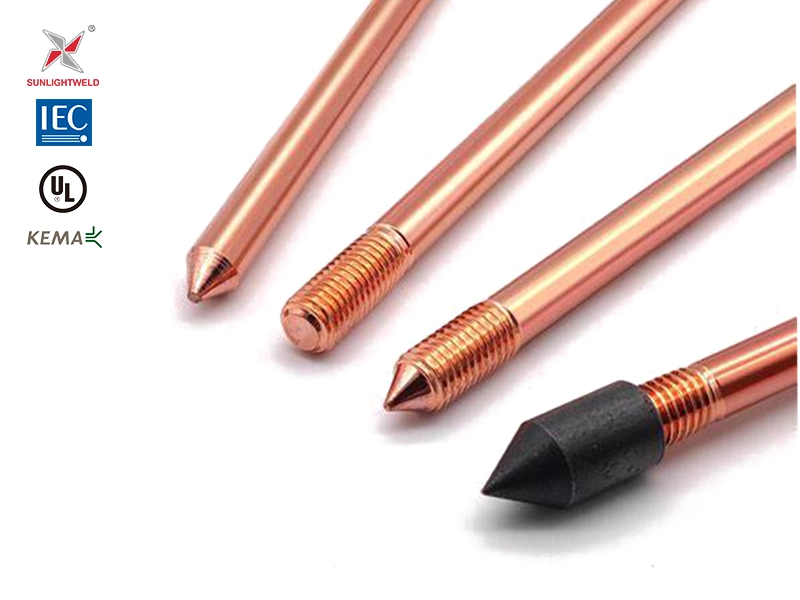
An oil and petrochemical earthing rod is a vertical grounding electrode installed deep into the soil to form a low-resistance electrical connection with the earth. It is a core component of grounding systems used in oil refineries, petrochemical plants, LNG facilities, tank farms, pipelines, and power distribution areas within hazardous zones.
The primary functions of an oil and petrochemical earthing rod include:
•Reducing grounding resistance
•Safely dissipating fault current
•Stabilizing electrical potential during lightning strikes
•Protecting equipment, structures, and personnel
Because oil and petrochemical facilities often operate continuously and under extreme conditions, the earthing rod must maintain stable electrical performance for decades without degradation.
Key Factors for Selecting Oil and Petrochemical Earthing Rods
1. Electrical Performance and Grounding Resistance
The primary function of an oil and petrochemical earthing rod is to safely and efficiently dissipate fault current into the earth under both normal and abnormal operating conditions. In high-risk petrochemical environments, grounding performance must remain stable over the entire service life of the system.
Customers are particularly concerned about:
•Achieving low and consistently stable grounding resistance
•Ensuring high current-carrying capacity during fault or lightning events
•Preventing excessive resistance growth over time
Low-quality earthing rods may meet initial resistance requirements, but poor material bonding or insufficient copper thickness can lead to corrosion, copper separation, and rapid performance degradation. This increases grounding resistance and introduces long-term operational and safety risks.
2. Mechanical Strength and Installation Reliability
Oil and petrochemical earthing rods are typically installed as vertical grounding electrodes, driven deep into the soil. This installation method places high mechanical stress on the rod, especially in hard or rocky ground conditions.
As a result, buyers focus on:
•Adequate tensile strength to withstand driving forces
•Resistance to bending, cracking, or breakage during installation
•Integrity of the copper layer when the rod is hammered, clamped, or connected
If an earthing rod fails or the copper layer is damaged during installation, it can cause project delays, increased labor costs, rework, and potential safety issues. Reliable mechanical performance directly improves installation efficiency and reduces on-site risk.
3. Corrosion Resistance and Service Life
Petrochemical sites often feature chemically aggressive soils, high moisture levels, and stray electrical currents, all of which accelerate corrosion. Therefore, long-term durability is a major concern for customers.
An effective oil and petrochemical earthing rod should:
•Maintain surface integrity and conductivity for decades
•Resist electrical corrosion caused by repeated fault current discharge
•Avoid surface defects such as blistering, cracking, pitting, or peeling
A longer and more stable service life reduces the frequency of replacement, lowers maintenance costs, and ensures continuous compliance with safety requirements throughout the project lifecycle.
4. Compliance and Certification
For oil and petrochemical projects—especially international, government-regulated, or EPC-led projects—certification is often a mandatory requirement rather than an option.
Customerss typically look for:
•Compliance with relevant IEC standards
•UL certification for acceptance in North American and global markets
•Proven ability to pass third-party inspections and audits
Even a technically sound product may be rejected if it lacks proper certification. Compliance not only ensures safety and reliability but also simplifies project approval, inspection, and handover processes.
5. Cost Effectiveness and Total Project Value
While safety and performance come first, cost remains an important consideration. However, experienced buyers focus less on the initial purchase price and more on the total cost of ownership.
Key factors include:
•Initial product cost
•Installation efficiency and labor savings
•Long-term service life
•Risk of failure, replacement, or downtime
A well-designed oil and petrochemical earthing rod can provide significant long-term value by reducing maintenance, minimizing failure risk, and improving system reliability—even if its upfront cost is slightly higher than low-end alternatives. Over the full project lifecycle, this approach delivers better economic and operational outcomes.
Sunlightweld Oil and Petrochemical Earthing Rod
The Sunlightweld oil and petrochemical earthing rod is manufactured using a continuous electroplating process, in which a copper layer is electroplated onto a steel core to form a permanent molecular bond. Key features and technical parameters include:
•Continuous electroplating technology with permanent copper–steel molecular bonding
•Copper layer made of 99.9% pure copper and steel core made of high-quality carbon structural steel
•Designed mainly for vertical grounding electrodes to reduce grounding resistance and improve system safety
•Copper thickness 0.254 mm–0.8 mm standard, customizable up to 0.9 mm (any thickness below 1 mm available)
•IEC 62561 and UL dual certification, held by only a limited number of manufacturers
•Factory-direct production ensures ex-works pricing and strict quality control
•Tensile strength: 350–770 MPa (vertical grounding), 60–510 MPa (horizontal grounding)
•Copper layer passes three consecutive 90° bend tests without cracking
•Excellent copper–steel bonding integrity under hammering and clamping tests
•Electrical corrosion testing shows resistance growth ≤ 50% overall and ≤ 15% per test step, with no surface defects
Manufacturing Strength and Supply Advantage
Sunlightweld is a professional earthing materials, grounding products, earthing system, and lightning protection manufacturer with its own factory. This factory-direct model allows strict quality control, stable production capacity, and competitive ex-works pricing.
Supported by China's strong manufacturing and supply chain advantages, Sunlightweld helps customers achieve at least 30% higher profit margins compared with many other brands, while maintaining international certifications and consistent product quality. At the same time, Sunlightweld is actively expanding its global presence and developing long-term partnerships with distributors, contractors, and EPC companies worldwide.
Conclusion
The oil and petrochemical earthing rod is a critical element in ensuring electrical safety in high-risk industrial environments. With reliable material selection, proven bonding technology, and compliance with international standards, the Sunlightweld oil and petrochemical earthing rod provides a balanced solution in terms of performance, durability, and cost.
For oil and petrochemical projects seeking dependable grounding products and long-term value, Sunlightweld offers a practical and competitive choice backed by manufacturing strength and global cooperation opportunities.
https://www.sltup.com/Copper-Bonded-Steel-Earth-Rod-Threaded-UL-and-IEC-Listed-Factory-Price.html
http://www.sltup.com
Sunlightweld -
AuthorPosts

- You must be logged in to reply to this topic.